
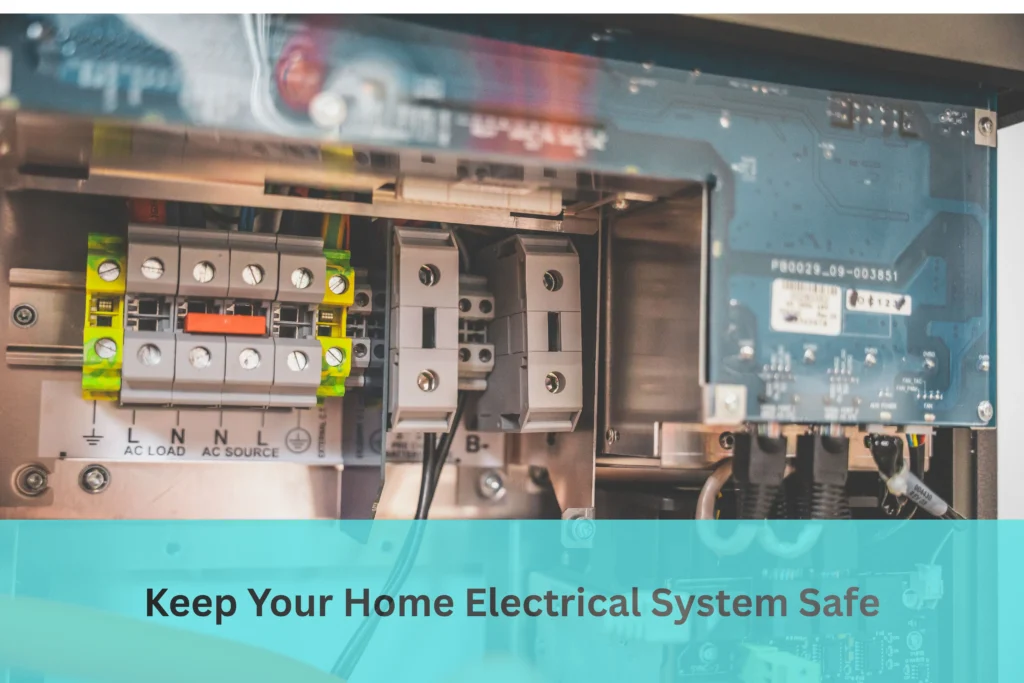
What is electrical safety?
Keeping your home electric system safe starts with handling and maintaining electrically powered equipment carefully. Electrical safety is a general practice that helps prevent incidents and keep environment safe. With adequate training, you can properly identify and control hazards related to electricity in different environments. Following electrical safety rules, a set of guidelines and procedures, can also protect individuals from common electrical dangers.
Identifying Potential Electrical Hazards
Regularly checking your home can help with preventing accidents and identifying potential electrical hazards. Look for frayed electrical cords, damaged electrical cords, hot outlets, hot switches, and flickering lights. A burning smell or sparks from an appliance or electrical outlet are important warning signs that should not be ignored.
Main Causes of Electrical Accidents in Homes
Keeping your home electrical system safe starts with understanding electrical accidents in homes and their common causes. Overloaded circuits, damaged electrical appliances, damaged cords, and faulty wiring can create serious risks. Avoid connecting too many devices to a single outlet, and never use extension cords as a permanent solution. Keep electrical cords away from carpets and rugs because overheating can create fire hazards.
Preventing Electrical Shocks and Hazards Related to Water and Electricity
Water and electricity do not mix well and can pose significant hazards. To prevent electrical shocks, avoid using electrical appliances near water sources, such as sinks or bathtubs. Install Ground Fault Circuit Interrupters (GFCIs) in areas where water and electricity are in close proximity, including bathrooms and kitchens. GFCIs can quickly cut off power in case of a ground fault.
At home, safely handle extension cords, power strips, and solar sytem batteries by never overloading them with too many devices, as this can lead to overheating and potential fires. Choose high-quality extension cords, such as the Amazon Basics Extension Cord, with built-in safety features, and when handling batteries, follow the manufacturer’s instructions and avoid mixing old and new batteries in the same device. Following these safety practices helps homeowners create a safer environment and minimize the risk of electrical accidents in their homes. Being cautious, investing in reliable electrical products, and taking essential steps are important parts of ensuring electrical safety in everyday home life.
Grounding Electrical Systems
For homeowners, safe electrical usage starts with understanding the importance of grounding and maintaining electrical systems properly. Grounding is a safety feature that diverts excess electrical energy away from appliances and into the ground. It prevents electrical shocks, reduces the risk of fires, and protects against electrical surges. For proper grounding, hire a licensed electrician to inspect and update your home’s electrical system if necessary. Investing in high-quality grounding products from reputable brands, such as Eaton and Leviton, can further enhance safety and decrease the risk of accidents.
The Importance of Regular Electrical Inspections
I find that regular electrical inspections are one of the simplest ways to maintain a safe electrical system. A licensed electrician can inspect the main electrical panel, electrical panel, outlets, switches, and visible wiring. Periodic electrical inspections can also identify outdated wiring, check proper grounding, and highlight necessary upgrades or repairs, helping improve overall electrical safety.
Childproofing Electrical Outlets and Appliances
Children are naturally curious and may unknowingly insert objects into electrical outlets or touch live electrical parts. To childproof electrical outlets and reduce potential hazards, consider utilizing outlet covers and safety plugs. Appliance safety locks can also prevent children from accidentally turning on hazardous equipment, such as stoves or ovens. These simple safety precautions help protect children while allowing families to use their different appliances more safely.
Safety Precautions When Using Electrical Equipment Outdoors
When using electrical equipment outdoors, always prioritize safety by ensuring that all outdoor outlets are weatherproof and protected from the elements. Use outdoor extension cords that are specifically designed for outdoor use, such as the Coleman Cable Outdoor Extension Cord, to prevent damage and potential electrical hazards. It is also important for homeowners to understand the hazards associated with outdoor electrical usage and take suitable precautions to prevent accidents.
When Small Electrical Problems Stop Being Small
A dead outlet, light switch, or crackling switch may seem like a minor inconvenience, but these can be signs of bigger electrical problems. If a breaker keeps tripping, you notice lights dimming, buzzing from outlets, or burning smells, do not ignore these subtle signs. Discolored outlet covers, warm wall plates, and unusual heat buildup can point to loose connections, overloaded circuits, aging wiring, or failing components. These electrical issues can create serious electrical hazards, especially when an older home has an older wiring system that cannot handle modern demand.
Your household electrical system needs to safely manage the electrical load created by devices, electrical appliances, gaming setups, kitchen gadgets, and other equipment. When there is too much electrical pressure on a circuit, the circuit load can exceed its circuit capacity, increasing electrical risk. A qualified electrician or experienced electrician can diagnose the cause of these problems and check for related problems instead of simply fixing the visible symptom. Professional residential electrician services can include troubleshooting, repairs, upgrades, and safety testing, helping keep your home wiring and electrical circuits safer.
Trying DIY work on electrical systems can turn a simple issue into a dangerous one, particularly when dealing with outdated panels, electrical panels, old systems, or hidden wiring faults. A professional can inspect the switch, circuit, breakers, and wiring while considering safety, circuit capacity, and the actual electrical load. When planning repairs or upgrades, ask about labor, request an invoice, and discuss your budget before work begins. This practical approach can help prevent mysterious outages and make your home’s electrical system more dependable, while professional checks can also cover smoke detector wiring and smoke detectors when needed.
Emergency Response and First Aid
When it comes to how to keep your home electrical system safe, being prepared for electrical accidents is just as important as preventing them. Every household should have an emergency plan so family members know what to do during power outages or other emergencies. Keep an emergency flashlight fully charged and easily accessible, and choose a designated meeting place where everyone can gather safely outside the home.
If someone experiences an electrical shock or electrocution accident, take prompt action but avoid direct contact while the person is connected to the electrical source. If possible, turn off the power supply using the main circuit breaker. A non-conductive object, such as a dry wooden stick, can help with electrical source separation when necessary. Never put yourself at risk while trying to help.
Call for emergency medical help because electrical shocks can cause internal injuries, even when they are not immediately visible. If the person is unresponsive and not breathing, cardiopulmonary resuscitation (CPR) may be necessary. Following proper emergency procedures, practicing the emergency plan, and knowing the right appropriate actions can improve household safety and reduce potential risks.
Conclusion
A safe home electrical system starts with simple habits and consistent habits that give your home electrical system regular attention. Good electrical safety means keeping water away from electrical equipment, practicing cord safety and wiring safety, and avoiding overloaded circuits. Use GFCI protection and other protective devices for better electrical protection, and check for damaged cords, loose wiring, heat, buzzing, flickering lights, burning smells, or other warning signs. These potential hazards can increase the risk of electrical shocks, fires, and accidents, so noticing them early helps keep your electrical system safe and reliable.

Regular electrical inspection and regular inspections can help maintain a reliable electrical system and a safer electrical system. For electrical repairs, electrical upgrades, or other upgrades, seek professional help from a licensed electrician rather than taking unnecessary risks. Paying attention to electrical hazards and following electrical equipment safety and circuit safety practices can make everyday life safer. With proper repairs, maintenance, and electrical upgrades, your home can have better protection and fewer electrical problems.
People Also Ask
Pingback: Does solar installations increase home value? – irelecricservice.com