
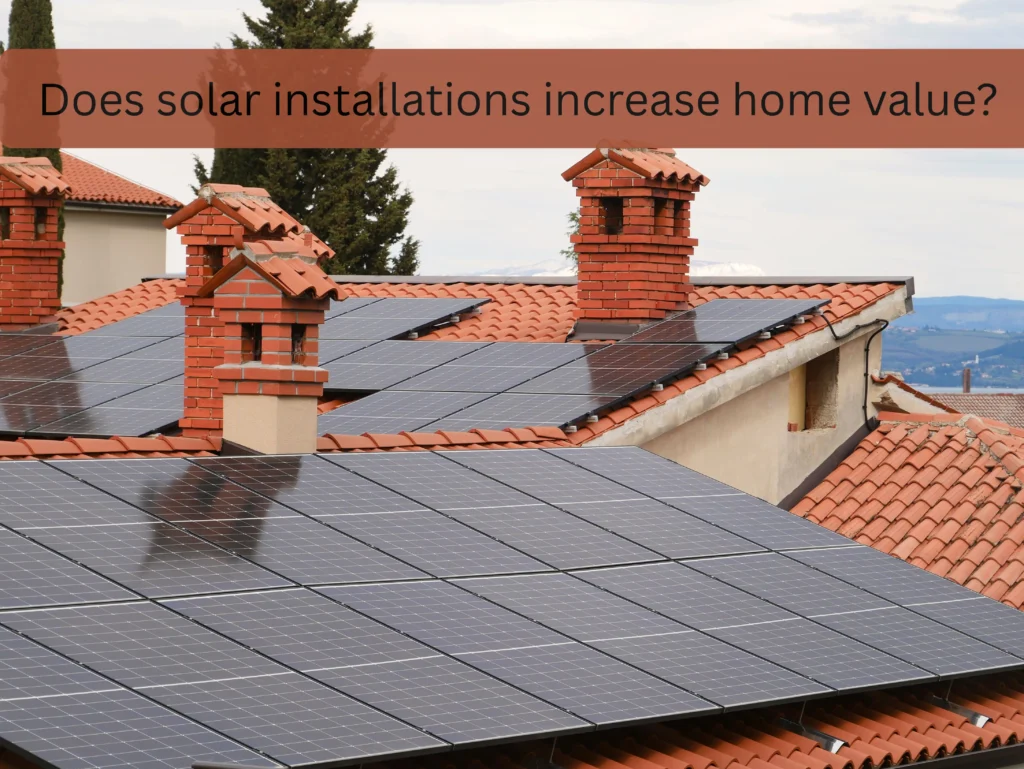
Do solar panels increase property value?
Willing to pay a premium for solar panel-equipped homes is becoming more common among home buyers. A Zillow study and the National Renewable Energy Laboratory indicate that buyers can value solar energy as a primary energy source because of its environmental benefits and economic benefits. For many homeowners, solar panels are not only about producing clean energy but also about making the property more attractive to potential buyers.
In areas such as New York, New Jersey, San Francisco, and Orlando, homeowners may see some of the biggest premiums from solar panel installations. Even though results can vary by metropolitan area, solar panels do not necessarily cause home values to drop. Buyers may appreciate the ability to reduce carbon emissions and lower energy costs, which can make solar panel installation a smart investment .The positive impact of solar energy on the environment has also increased home buyers’ interest. According to real estate agents, solar panel installation could increase home value by 4.1%. Another primary benefit of installing solar panels on a property is their ability to increase the home’s overall value, especially when buyers consider long-term energy savings.The actual value increase can depend on various factors, including the property’s location, energy savings, and the general appeal of solar energy to potential buyers. These factors can influence the extent to which solar installations add value to a home, making the overall benefit different from one property to another.
How does solar increase home value?
For many homeowners, solar energy systems can offer both financial benefits and a potential value boost when selling a home. A well-planned solar installation can improve energy efficiency, lower utility bills, and create long-term savings as electricity prices rise. For prospective buyers, these savings can make a solar home an attractive initial investment because they may spend less on regular household costs while gaining greater energy savings.
The return on investment (ROI) is another reason buyers may find solar appealing. Depending on the local cost of electricity, incentives, utility net metering policies, and system cost, a solar panel installation may be recouped within 6–10 years, while some systems may reach a return on investment in 5-7 years. The federal government may also provide a tax credit, and states, municipalities, and utility companies can offer additional incentives, such as state tax credits and rebates. These benefits can shorten the payback period and improve the overall financial return.
The impact on property value is not always the same, however. A homeowner who owns the system may have a stronger competitive advantage than someone who chooses to lease it from a third party. The condition of the solar system, location, and local housing market can all affect the market value and added value of a property. In some cases, adding solar can increase home value and resale value, while in other markets it may provide little additional value or even a lower value if buyers are concerned about system ownership or installation arrangements.
Beyond money, solar energy offers important environmental benefits. Using clean energy and renewable energy can reduce a property’s carbon footprint, carbon dioxide (CO2 emissions), and other pollutants, helping create a cleaner environment. Solar can benefit homes and businesses while supporting an environmentally friendly choice for customers interested in a sustainable investment. For homeowners, this combination of lowered costs, energy savings, and reduced environmental impact can make solar more appealing to future buyers.
Factors That Influence How Much Value Solar Adds
Size of a solar system
The size of a solar system also has a significant impact on value. A large solar system can increase value by providing energy and storage capacity, while a smaller solar system may have a lower impact because it produces less energy output. In Arizona, this can be an important consideration. The roofing material and type of roofing material can also have a positive effect or negative effect on property value. Energy-efficient roofing and energy-efficient roofing material can contribute to home value, while energy-sucking materials such as asphalt and metal may have a negative impact.
Location
For homebuyers, a 200% return, sale price premium, and energy savings can make investing in a solar home appealing. Solar panels can reduce home energy costs, making solar systems an affordable and effective investment that helps homeowners save on solar costs. Solar incentives, rebates, and tax credits can further improve the appeal of solar system installation, although the type and location of the system also matter. Location is an important factor in the value of a home because commute times, school choices, recreational activities, and daily life can influence housing markets. Solar homes may be a valuable feature, helping lower the carbon footprint, and can be valued more in a sunny climate than in a less-sunny climate.
Home buyers are increasingly willing to pay a premium to purchase homes with solar energy systems because of their added value. The condition, upgrades, home, and regional electricity costs are factors that influence property value. Solar power has also received attention in a study by Zillow, while multiple studies have found that installation of a fully-functional solar power system increases home value. This benefit may be greater when energy costs are higher and utility rates are frequently changing. Appraisers may also consider solar features, while local government incentives can make solar installations more attractive to buyers.
How Do Solar Panels Affect My Property Tax?
In solar-friendly jurisdictions, solar tax incentives can make installing solar systems more affordable for homeowners. Property tax exemptions are among the most popular solar tax incentives, and in 36 states, these exemptions may apply to solar systems used for housing and businesses. The scope and varying terms depend on the location, so homeowners should check their local rules before assuming that solar panels will affect their property taxes.
These tax exemptions can have limited years of exemption, and rules can differ state to state. This approach helps improve solar access for individuals and businesses while supporting the growth of solar power. As solar continues to gain increasing popularity over the past few years, taxpayers have increasingly looked at these incentives, which collectively can involve billions of dollars in tax benefits.
Disadvantages of Solar While solar installations can increase home value, there are some disadvantages of solar to consider. Installation costs and maintenance costs can be high, and a solar system may require regular maintenance. Solar also depends on sunlight, as it only works when the sun is out, and certain roof types may not be suitable for installation. These factors can affect how much value the system adds to a property. Another concern is that solar tax breaks and other tax incentives may be temporary and will not last forever. The duration and lifetime of these incentives can influence the overall financial benefit of solar. Even though solar can provide long-term benefits, homeowners should consider the costs, roof, installation, and ongoing maintenance requirements before deciding whether a solar system is a good investment for their home.
Pingback: How to Keep Your Home Electrical System Safe? – irelecricservice.com